
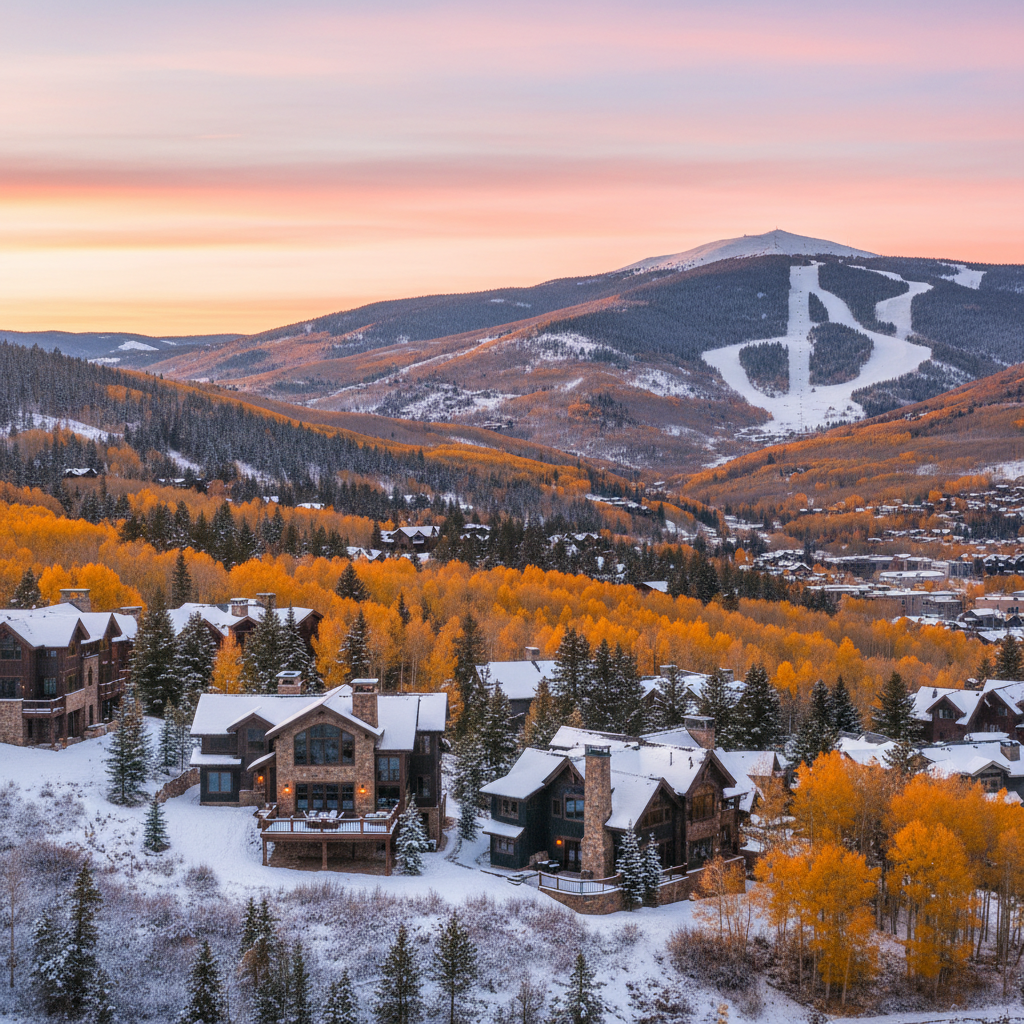
Climate Impact on Real Estate Park City Investment Value
There is no doubt that Park City’s beautiful snowy winters and cool mountain summers contribute to the ongoing increase in real estate demand. However, climate change is a fact, and therefore, buyers considering real estate investments in Park City should understand how warming temperatures, changing snowpack patterns, and wildfire risks can influence property values and mountain living in the coming years.
Why Seasonal Appeal Still Drives Demand
Outdoor skiing has been the main driver of Park City’s real estate market growth. A study published by Stratus Consulting reveals that the Utah ski industry accounted for 19,323 jobs and over $416 million in wages during the 2005–2006 season alone. A decline in snowpack negatively affects the regional job market and economy. Besides, the number of skiable days at Park City Mountain Resort may decline from an original median of 151 days to merely 115 days, as stated in the future scenarios, directly affecting rental income and property values.
Environmental Risks Worth Investigating
- Trend of snowpack: According to one study, by 2030, the snowpack will be 15% lower, and by 2050, under a high-emissions scenario, it could be up to 43% lower. Earlier melting of the snow and delayed accumulation will shorten the ski season, making vacation properties less attractive.
- Wildfire risk: Summit County has been designated as a very high risk. The Utah Resilience Fund is being used for forest restoration to reduce the amount of combustible material that can lead to severe fires, but there is still the risk of properties located next to dense vegetation. Fire ash and post-fire sediment can pollute water reservoirs, further affecting water quality.
- Water scarcity: The Weber River basin supplies water to more than 700,000 residents in Utah. Climate-induced drought and earlier snowmelt create problems with the water supply in the summer. Prospective real estate owners in Park City should check whether their properties are in areas with reliable water sources.
The Economic Connection
Since ski resort tourism in Park City is the largest driver of the local economy, visitors account for 75%–85% of annual tax revenue. Greenhouse gas emissions have led to less snow, and with shorter skiing seasons, there will be fewer tourists, so rental occupancy rates and home prices will drop. A climate change-resistant real estate strategy is timely and valuable for buying real estate in Park City.
Questions to Ask Before Buying
Purchasers philosophically aligned with sustainable values should obtain information from sellers about a property’s wildfire risk, its proximity to Wildland-Urban Interface (WUI) areas, water availability, and any homeowner association with fire prevention and water-saving initiatives. Your real estate agent can advise you on climate-resilient attributes such as defensible space, high-tech HVAC systems, and water-efficient landscaping.
Balancing Lifestyle and Long-Term Value
Park City still offers a unique lifestyle for one’s home, and many informed buyers use the mountain lifestyle as a basis for environmentally sound decision-making. Being knowledgeable about how climate trends will impact the value of real estate in Park City gives you the power to make choices that align with both your aspirations and your financial plan.